Posts

How Do Insects Cope With The Cold at Bethpage State Park!? Here is Insect Survival Tactics 101 - Winter Edition!

Image
    Between whiteout conditions and flurries this month, the courses remain frozen and Bethpage State Park feels a little less active this time of year. This is not just because of the lack of golf-playing; I'm actually referring to the wildlife too!  While many of you know that some birds migrate South and mammals hibernate...have you ever wondered what insects are up to during the winter season? Where do they go? What do they do? How in the world do they survive frigid cold temperatures?     Well, to make this answer even more mysterious and complex, insects are considered the most diverse group of animals on Earth. Whether it is their unique adaptions or how they utilize resources, each species behaves in their own way and their means for survival varies! However, o ne thing that ALL insects have in common is the fact that that they are cold-blooded. Not in the literal sense, but more so that their internal temperature is in accordance with the tempera...
January 2019: Bethpage State Park Completes Another Climate Watch Counting!

Image
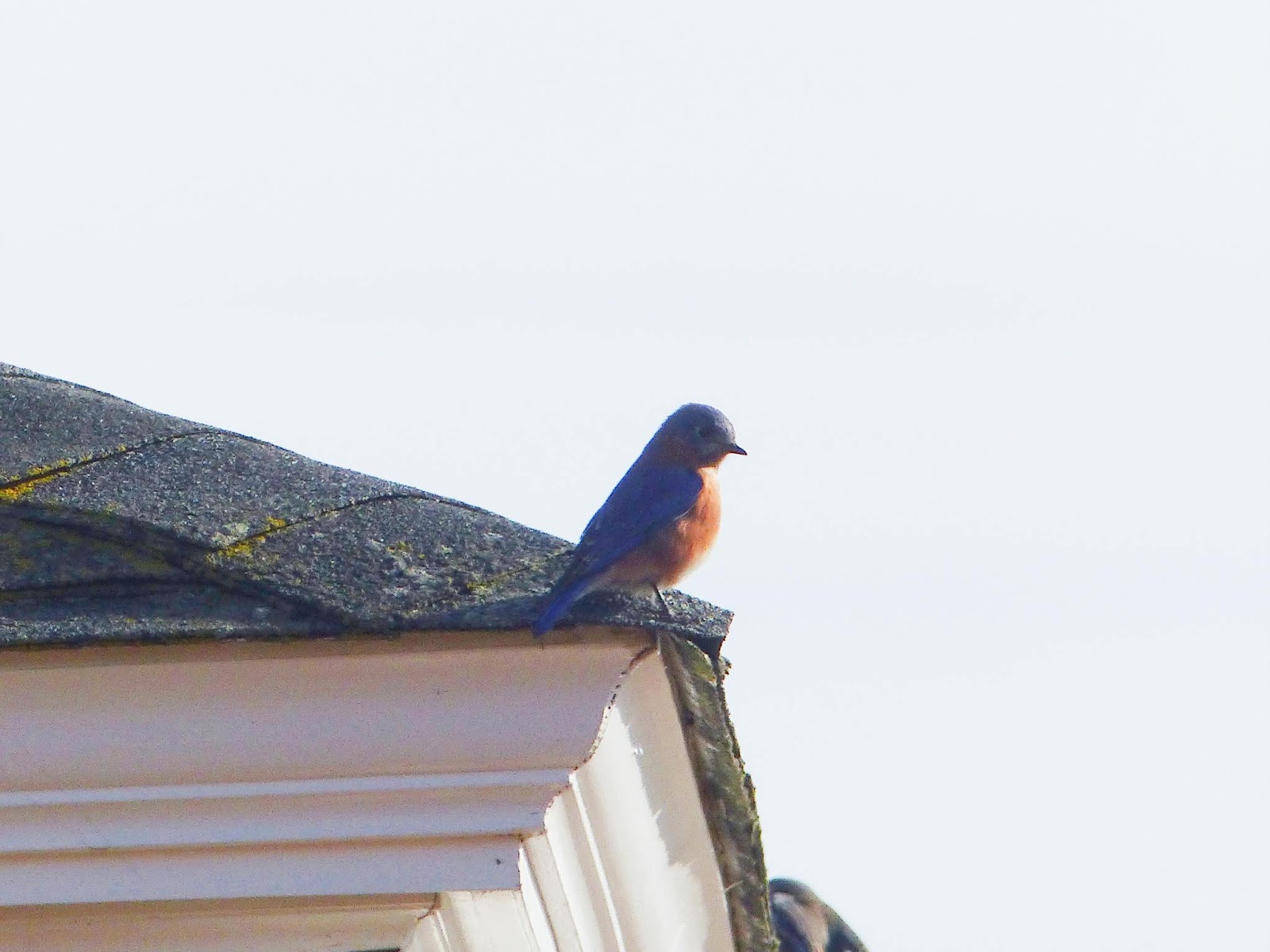
     Did you know that since 2016, Audubon has organized a national program for those eager to help scientists interested in tracking the affect of climate change on birds?       Interestingly enough, this program was created as a response to a public interest; avid birders and concerned citizens had been reaching out to Audubon, specifically asking how they could get more involved in data collection and bird research. Audubon replied with a biannual opportunity called Climate Watch.       Climate Watch kicks off at the beginning of each winter and summer season. The concept of this event is simple; have volunteers focus on identifying the target species at a collection of 12 different sites (at least 200 meters apart) within a given bird habitat. Since the start of this program, Audubon has asked that participants document bluebird and nuthatch numbers. Why? Simply because these birds are easy for volunteers to identify an...

What You Need to Know About This Invasive Species -Spotted Lanternfly

Image
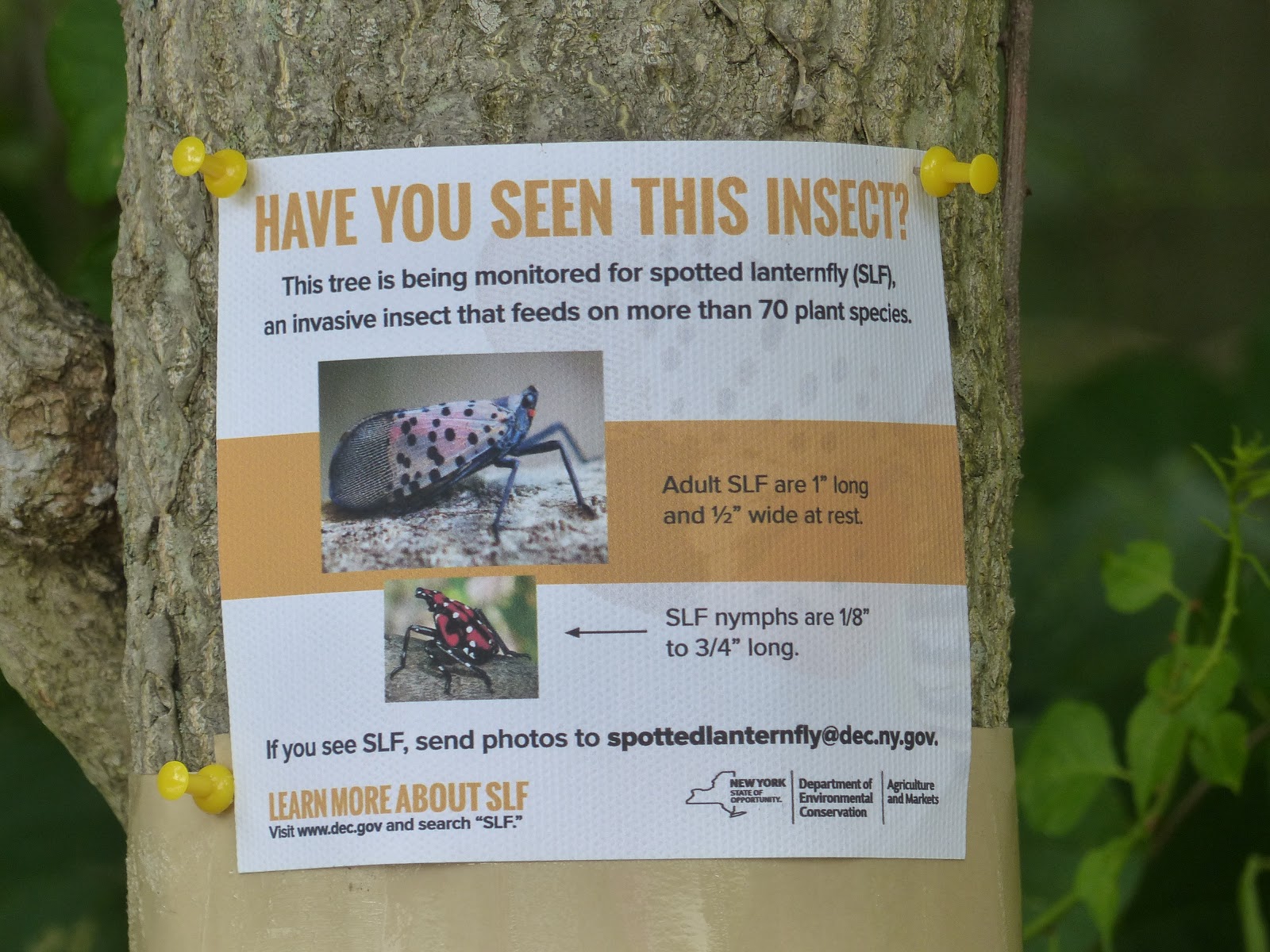
Four years ago, a colorful but invasive organism made its way into Pennsylvania from Asia, and has thus, become a topic of concern among the science and ecotourism community. For those of you not yet familiar, the insect is  Lycorma delicatula ,  most commonly referred to as the spotted lanternfly (SLF). According to the Department of Environmental Conservation (DEC), while not currently a strong presence in our state, this insect has already made its way into New Jersey, Virginia, and Delaware. With that in mind, scientists and park officials do want to err on the side of caution to limit this invasive species' dispersal and educate the public-- Lets start now!  What makes SLF destructive? Spotted lanternfly  is a sap-sucking planthopper. It feeds on tree phloem; t his is the vascular tissue that enables trees' to transport its sugars. In doing so, SLF can alter tree immunity and make it vulnerable to other insect attacks or diseases. ...

Monarch Hotspot Behind Maintenance Shop, Proves Even The Smallest Flower Boxes Can Aid Pollinator Conservation

Image
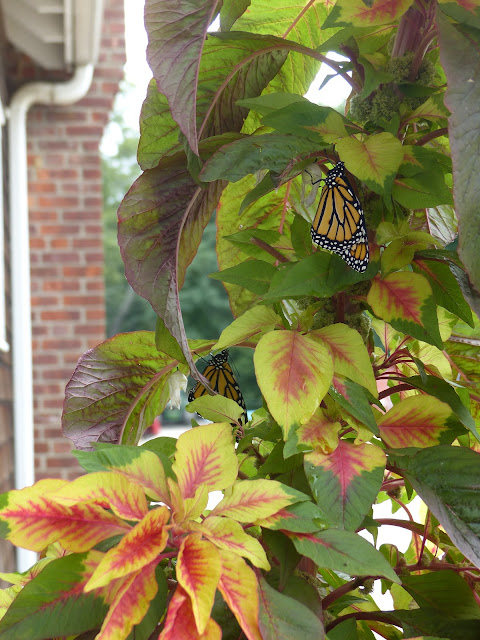
As the park ecologist (and also an avid butterfly admirer ), I have made it my mission this summer to monitor as many locations across our park for monarch butterfly activity. Since June, I have diligently counted hundreds of monarch eggs, larval instars, chrysalises, adult monarchs and the number of milkweed plants they have been found on too. If you are a golfer, there is a good chance you might have stopped to ask me what I was looking at on #17 of the Green Course or perhaps #11 of the Red Course. If you are a biker or picnic-goer, you may have even seen me scanning the garden for bright orange flowers called butterflyweed. This is one of the milkweed host plants that monarch caterpillars feed on. While much of my time has been spent monitoring these types of protected pollinator spaces, this year our maintenance crew brought my attention to another location...one, small flower box behind the mechanic shop, bursting with color and absolutely COVERED in monarch cater...

How We've Extended our Protection of Pollinators, Just in Time for National Pollinator Week!

Image
Happy National Pollinator Week! Around this time in June, our mission is to honor and spread awareness about the numerous ecosystem services that pollinators provide to our park and parkgoers. To clarify, pollinators refer to any  organisms that transfer pollen as a result of feeding on flowers. While the commonly known pollinators are bees and butterflies, the job is also completed by a variety of beetles, moths, flies, birds and even bats ! Regardless of the organism, the movement of pollen from one flower to the next, promotes a new generation of plants.  This means increased floral beauty in our green spaces, cleaner air, additional forage/refuge for other fauna... the list goes on and on, especially when you consider what pollinators do for our diets and our economy (I bet that  your favorite fruit or vegetable needs bees!). However, pollinators need our help now; their populations have been dwindling in part because their nectar sources have been removed by u...